
Understanding SPIN Selling
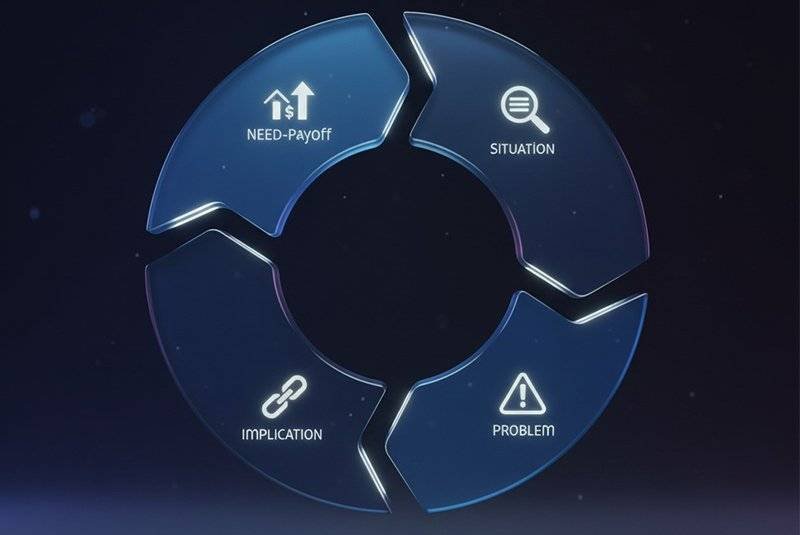
SPIN is an acronym that stands for Situation, Problem, Implication, and Need-Payoff. This selling method is designed to guide sales professionals through a structured conversation with potential clients, allowing them to uncover the true needs of the customer and position their product or service as the ideal solution.
Components of SPIN Selling
Situation Questions:
- These questions help the salesperson gather background information about the customer’s current situation. Understanding the context is crucial for tailoring the sales approach effectively. Examples include:
- “Can you describe your current process for managing inventory?”
- “What tools are you currently using for project management?”
Problem Questions:
- Once the situation is established, the salesperson moves on to identify specific problems that the customer might be facing. This step is vital as it uncovers pain points that the salesperson can address. Examples include:
- “What challenges do you face with your current system?”
- “Have you experienced any issues with product delivery times?”
Implication Questions:
- These questions delve deeper into the consequences of the identified problems. They help the customer visualize the impact of these issues on their business. This step is crucial for creating a sense of urgency. Examples include:
- “How does a delay in delivery affect your overall operations?”
- “What are the financial implications of not addressing this issue?”
Need-Payoff Questions:
- Finally, these questions focus on the value and benefits of resolving the identified problems. They encourage the customer to articulate the advantages of a solution, thereby reinforcing the salesperson’s position. Examples include:
- “If we could reduce delivery times, how would that impact your business?””What benefits would you see from a more efficient inventory management system?”
The SPIN Selling Process
The SPIN Selling Method is not merely a series of questions; it represents a comprehensive sales process that emphasizes consultative selling. Here’s how it typically unfolds:
1. Preparation
Before engaging with a potential client, sales professionals should conduct thorough research to understand the industry, company, and specific challenges that the client may face. This preparation lays the groundwork for effective Situation questions and demonstrates the salesperson’s commitment to the client’s success.
2. Engaging the Client
Initiating the conversation with Situation questions helps establish rapport and encourages open dialogue. The goal is to make the client feel comfortable and understood, setting the stage for deeper exploration of their needs.
3. Identifying Problems
As the conversation progresses, Problem questions help uncover the client’s pain points. This step is crucial, as it shifts the focus from the product to the client’s needs, creating a customer-centric dialogue.
4. Exploring Implications
Implication questions are where the salesperson can significantly influence the client’s perception of the urgency and importance of addressing their problems. By highlighting the consequences of inaction, the salesperson can create a compelling case for change.
5. Articulating Need-Payoff
Finally, Need-Payoff questions allow the client to envision the positive outcomes of adopting the proposed solution. This step is essential for reinforcing the value proposition and guiding the client toward a decision.
Benefits of the SPIN Selling Method
The SPIN Selling Method offers numerous advantages for sales professionals and organizations alike:
1. Customer-Centric Approach
By focusing on the customer’s needs and problems, SPIN selling fosters a deeper connection between the salesperson and the client. This relationship-building aspect is crucial for long-term success in sales.
2. Increased Effectiveness
Research has shown that the SPIN Selling Method can lead to higher closing rates compared to traditional sales techniques. By addressing specific pain points and demonstrating value, sales professionals can more effectively persuade clients to make a purchase.
3. Enhanced Communication Skills
Implementing SPIN selling encourages salespeople to refine their questioning and listening skills. This not only benefits the sales process but also enhances overall communication capabilities, which are essential in any business context.
4. Adaptability
The SPIN Selling Method can be adapted to various industries and sales environments. Whether selling complex solutions in B2B markets or simpler products in B2C scenarios, the principles of SPIN selling remain relevant and effective.
Implementing SPIN Selling in Your Sales Process
To successfully integrate the SPIN Selling Method into your sales process, consider the following steps:
1. Training and Development
Invest in training programs for your sales team to familiarize them with the SPIN Selling Method. Role-playing exercises can be particularly effective in helping sales professionals practice their questioning techniques and refine their approach.
2. Create a SPIN Selling Framework
Develop a structured framework that outlines the key Situation, Problem, Implication, and Need-Payoff questions relevant to your products or services. This framework can serve as a guide for sales conversations, ensuring that all critical areas are covered.
3. Encourage Active Listening
Emphasize the importance of active listening during sales interactions. Sales professionals should focus on understanding the client’s responses and adapting their approach based on the information gathered.
4. Monitor and Evaluate Performance
Regularly assess the effectiveness of the SPIN Selling Method within your sales team. This can be done through performance metrics, feedback sessions, and reviewing successful sales interactions. Continuous improvement is key to maximizing the benefits of this method.
5. Foster a Culture of Collaboration
Encourage collaboration among sales team members to share insights and experiences related to SPIN selling. This collective knowledge can enhance the overall effectiveness of the sales process and lead to innovative approaches.
Challenges and Considerations
While the SPIN Selling Method offers many benefits, it is essential to be aware of potential challenges:
1. Time-Consuming
The SPIN Selling Method requires a more extended engagement with clients compared to traditional sales techniques. Sales professionals must be prepared to invest time in understanding the client’s needs thoroughly.
2. Requires Skilled Salespeople
Successful implementation of SPIN selling relies on the skills of the salesperson. It demands strong questioning and listening abilities, which may require ongoing training and development.
3. Not Suitable for All Sales Situations
While SPIN selling is effective for complex sales processes, it may not be the best fit for high-volume, low-cost transactions where quick decision-making is essential.
Conclusion
The SPIN Selling Method is a proven approach that prioritizes understanding customer needs and building meaningful relationships. By focusing on Situation, Problem, Implication, and Need-Payoff, sales professionals can enhance their effectiveness and drive better outcomes in the sales process. Implementing SPIN selling requires commitment, training, and a customer-centric mindset, but the rewards—higher closing rates, improved customer satisfaction, and long-term relationships—make it a worthwhile investment. As the landscape of sales continues to evolve, adopting methodologies like SPIN selling will be crucial for staying competitive and meeting the demands of today’s informed consumers.
In summary, the SPIN Selling Method is not just a technique but a philosophy that can transform the way sales professionals engage with clients, leading to more successful and sustainable sales outcomes. By integrating the principles of SPIN selling into your sales process, you can create a more effective and customer-focused sales strategy that drives results.